Joysway
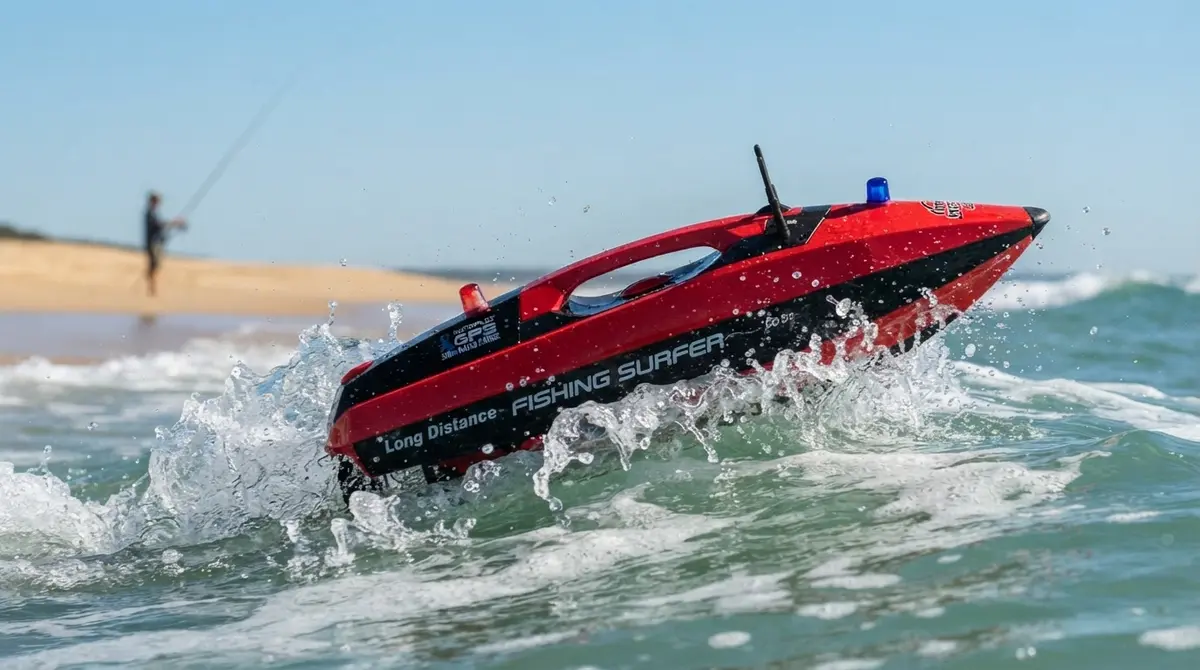
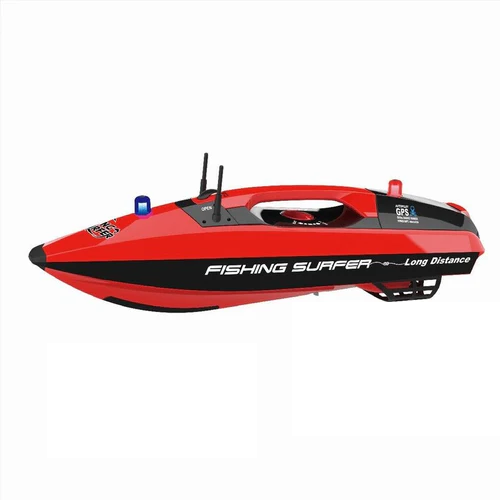
Fishing Surfer V3 RC Boat
Joysway Fishing Surfer V3 puts bait where the fish are, reaching up to 500 metres offshore. GPS navi…
$1,599

Explore the finest remote control bait boats at Baitboats, tailored for Australian anglers. Our RC bait boats feature cutting-edge 2.4GHz controls, extended range, and rugged designs perfect for surf, saltwater, and freshwater fishing. Ideal for precise bait delivery, these boats enhance your catch rate with optional GPS and bait release systems, suited for all skill levels. Elevate your angling with durable, high-performance boats designed for today's fishing challenges, ensuring you're equipped for success on any waterway.
Joysway Fishing Surfer V3 puts bait where the fish are, reaching up to 500 metres offshore. GPS navi…
Joysway Fishing Surfer FP3251 V2 puts bait where the fish are, reaching up to 500 metres offshore. G…
Everything the Fishing Surfer does, plus a Toslon TF520 colour fish finder so you can see what's…
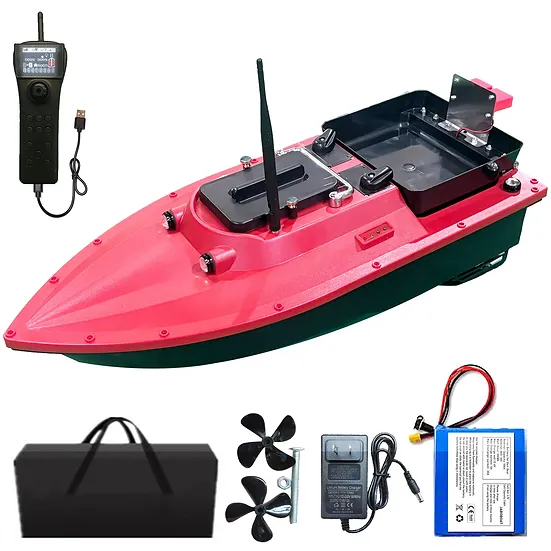
Brushless-motor bait boat for ocean and freshwater. 22,000mAh battery, 400-500m GPS range, and a wat…
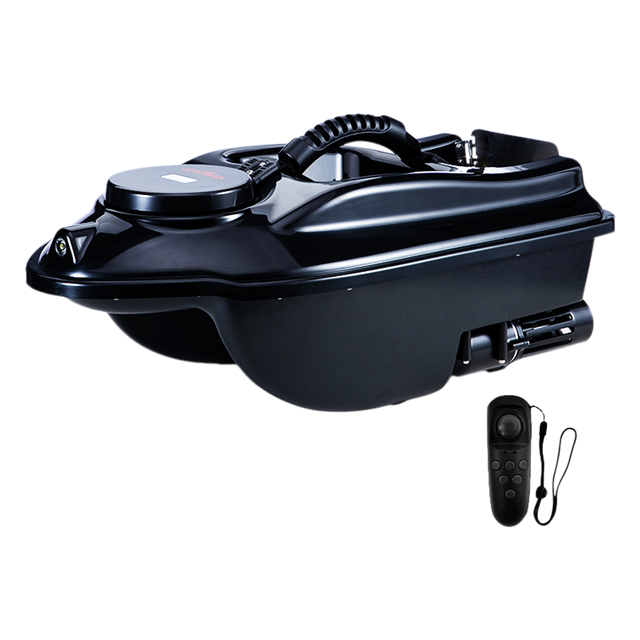
Boatman Actor bait boat is a solid workhorse for rivers, dams, and lakes sporting a long battery lif…
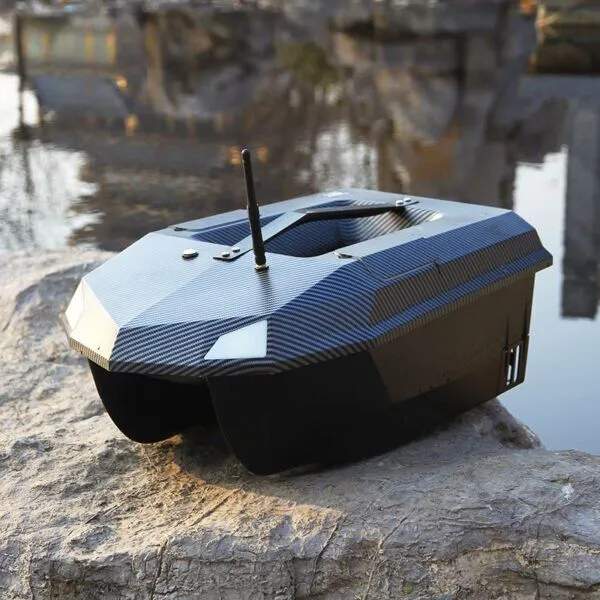
Manuowell's flagship. Middle-drop precision, twin 12V high-torque motors, 20+ GPS spot memory, a…
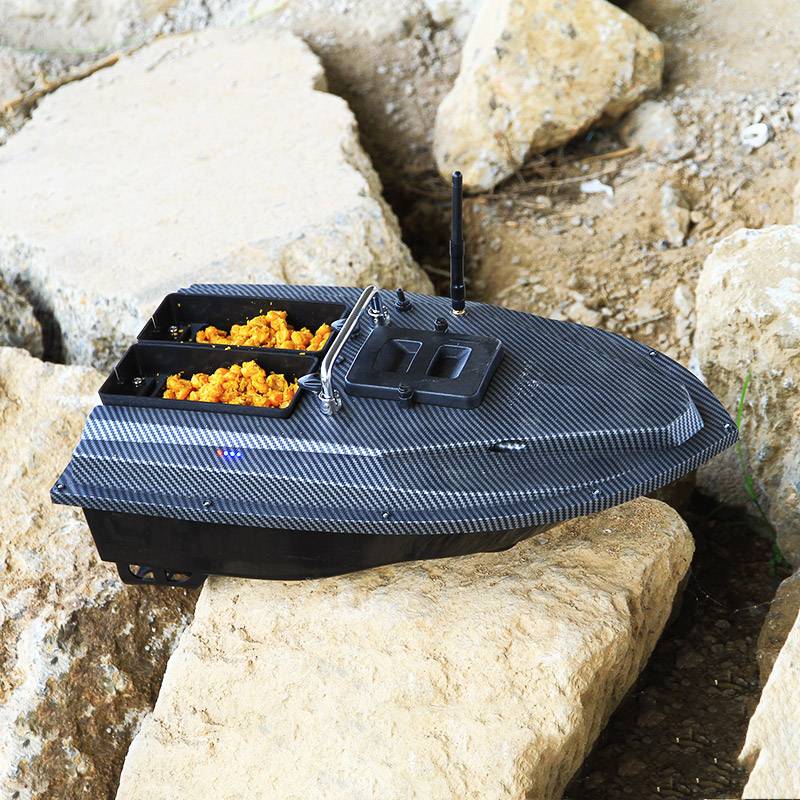
Dual rear hoppers, twin 7.4V Blade motors, GPS optional. Drop two baits in two locations on the same…
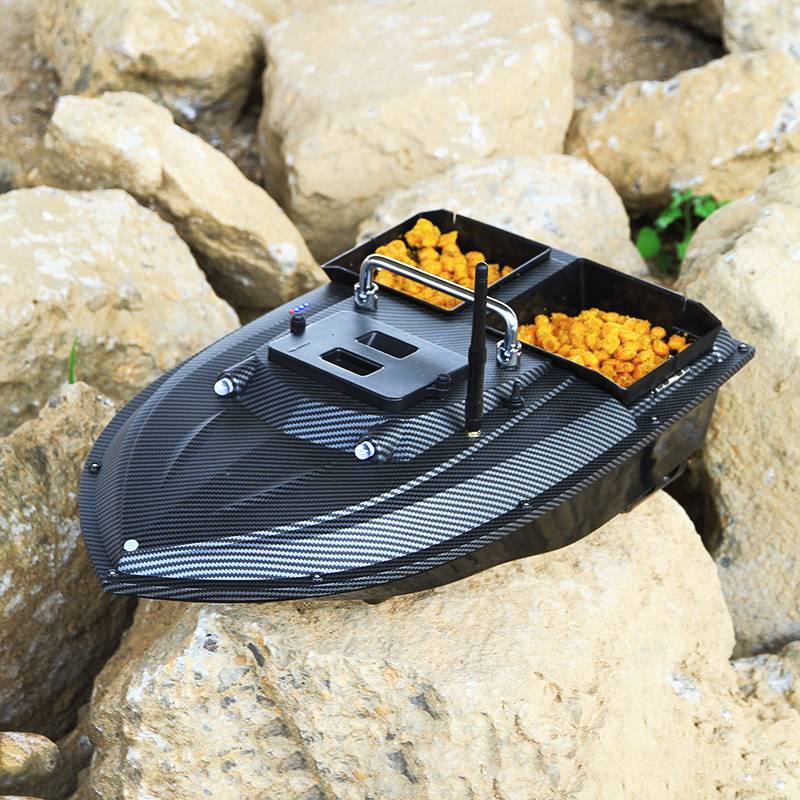
Dual side-opening hoppers cut hook tangles. The Classic hull's double-drop workhorse with twin 7…
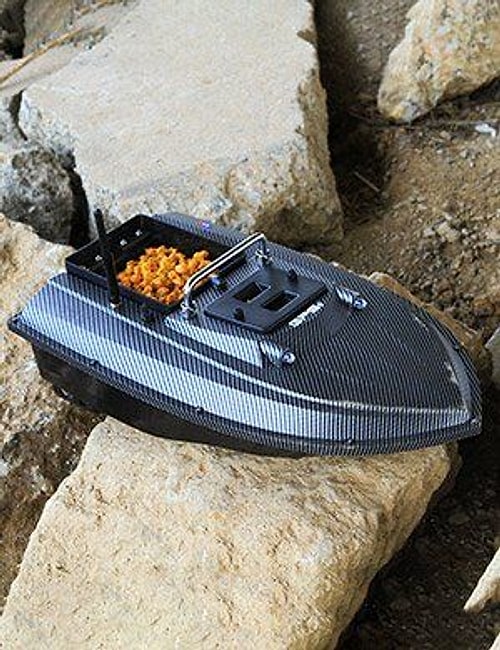
Single hopper, twin 7.4V 10,000rpm motors, 500m range. Manuowell's value entry into the Classic …
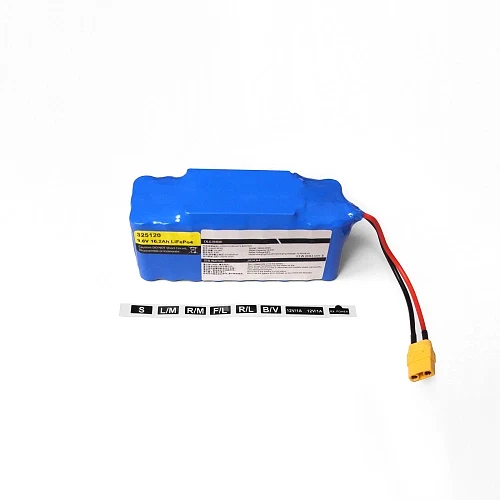
Genuine replacement LiFePO4 battery for the Joysway Fishing Surfer V2 and V3. 9.6V 16.2Ah for extend…
From the sand a beach looks like one long stretch of water. Get up on a dune at low tide with polarised sunnies and the structure shows. Dark water is deep, light water is shallow and white water is waves breaking over a bank. Water pushing out close to shore, sometimes murky or cloudy, is a rip. Sandbanks, gutters and cuts decide where the fish feed. The distances below are typical for an Australian surf beach, but banks move after big swells, so check each time you fish. A cast reaches the first gutter. A bait boat runs out through the cut to the bigger fish beyond it.

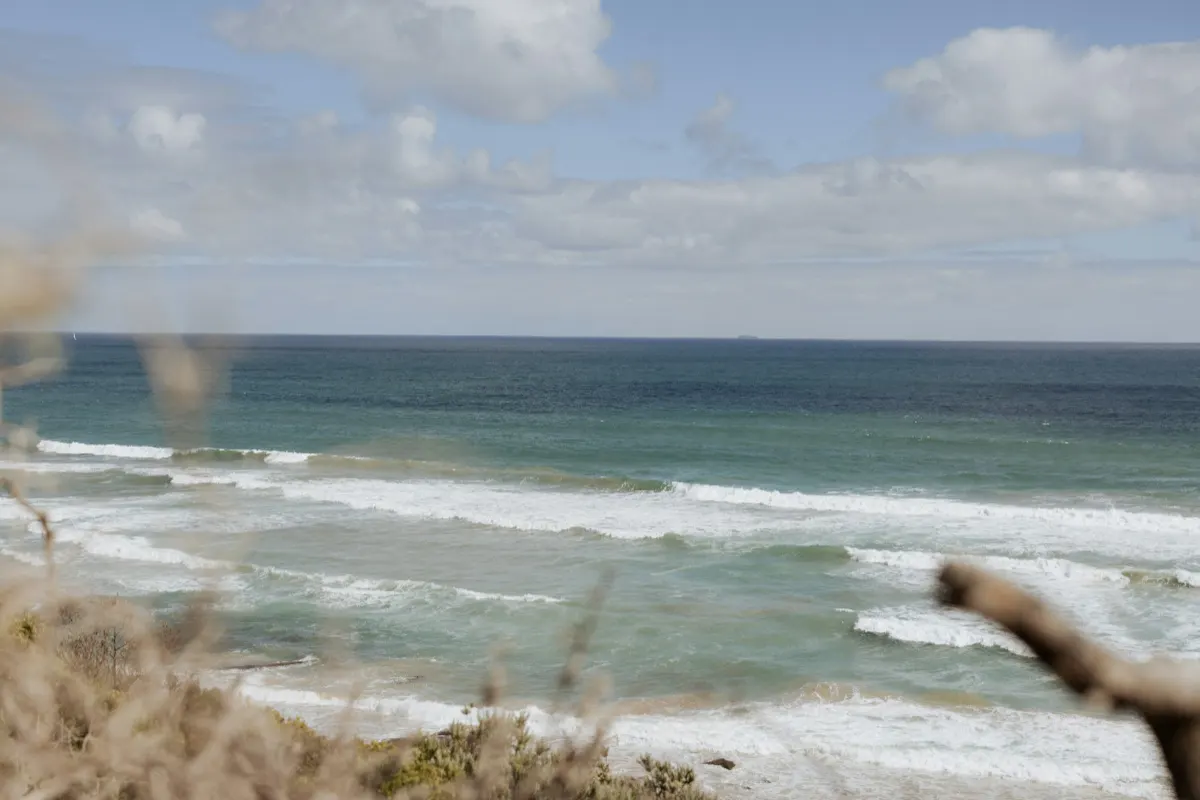
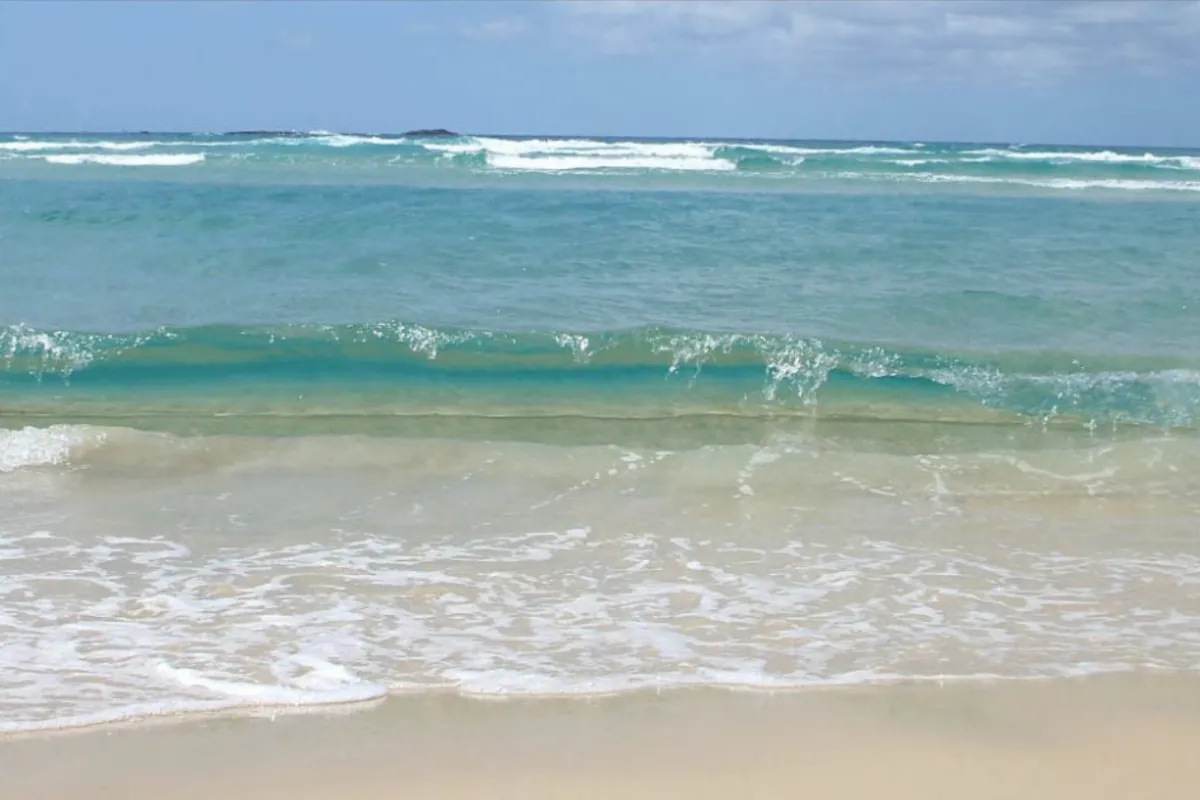
Shallow sand close to shore where the small waves break. Fish cruise its edges but rarely sit on top.
The deeper channel between the two sandbanks. Darker, calmer water where baitfish shelter, and whiting, bream, flathead, tailor and salmon move in to feed. It is within casting range.
The outer bank where the bigger waves break white. It marks the edge between the gutter and deep water.
A gap in the second sandbank where the waves stop breaking. Deeper water runs through it, and fish use it to move between the gutter and the open sea.
Deep water past the second sandbank. Mulloway, snapper, kingfish and sharks patrol here. This is where your record catch is waiting.
The remote control is just the interface. What matters is what you can do with it and how reliably the boat responds. These five features determine whether a remote control bait boat is a frustration or a fishing tool.
The release mechanism is the most mechanically stressed part of the boat. Look for a clean, positive trigger with no tendency to false-release in choppy water. A failed mid-run release means a wasted trip out and a return to shore to reload.
Smooth, proportional throttle lets you slow for positioning and accelerate cleanly for the run back. On-off throttle systems make precise bait placement near structure much harder. Proportional control is standard on all models we stock.
Even in freshwater, splash and rain exposure is normal operation. Full waterproofing of the electronics compartment is essential. Check that lids and hatches are gasketed rather than friction-fitted. Rain resistance is not the same as waterproof.
The control range determines your fishing range. A 200m-rated boat limits you to close in-shore fishing. A 500m-rated model opens up deep-water structure and offshore reef marks that most shore-based anglers cannot reach by any other means.
A wide, accessible hopper opening makes field reloading faster and cleaner, particularly in low light or cold conditions. Narrow hoppers make loading boilies and large baits difficult and slow. This matters more over a long session than any spec-sheet figure.
Importing RC bait boats from overseas leads to high shipping costs, complex warranty claims, and long waits when you need spare parts. Buying from an Australian supplier fixes all three.
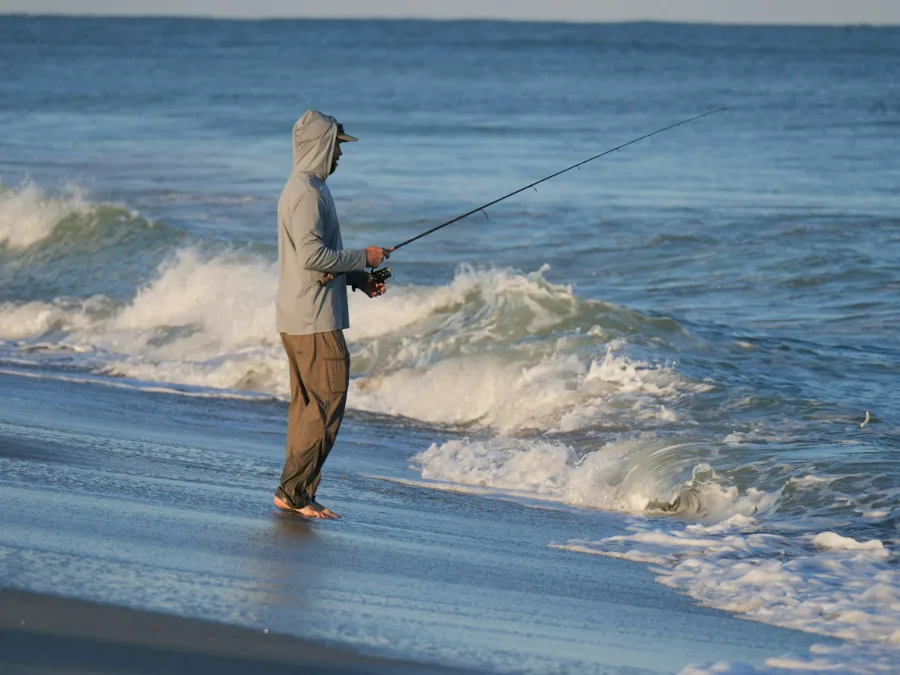
Fill the hopper to no more than 80 percent of its rated capacity so the release doors operate freely. Place large baits flat rather than stacked. Avoid fine-ground powders that can clog the release mechanism. A two-minute shore test before the first run avoids a wasted deployment.
The bait release is a specific button combination on most remotes. Triggering it at the wrong moment means re-loading at the shore. Two minutes of dry practice on solid ground before your first run avoids this frustration on the day you are actually fishing.
High speed for the run out to the drop zone. Low speed for the precision positioning phase near structure. Throttle discipline protects the hull from collisions and delivers cleaner, more accurate bait drops near snags, weed edges, and rock ledges.
Both the boat and the remote controller need a wipe-down after use in wet, muddy, or salty conditions. Moisture and grime work into button crevices and corrode contacts over time. Two minutes of care after each use prevents the remote failing mid-session.
"Got it out past the second bank at Stockton and dropped a bait right on a mulloway I could never have reached by hand. Worth every cent."
"Sent a big shark bait 400m off the beach at Mandurah on my first session. Had a bronze whaler on within the hour. Could never have done that with a rod."
"Had a cheap one pack it in after a season. The Joysway is a completely different animal. Been using it for snapper and flathead out in the bay. These blokes know fishing."
Most people are comfortable with basic steering operation in 30 minutes. The controls are intuitive and similar to driving any RC vehicle. GPS functions take a little longer but are all single-button operations once you have read through the manual once. Most anglers use all core features within their first full session.
Yes, that's exactly what a bait boat is built for. A remote control bait dropping boat carries your line and bait out in a hopper, and you trigger the release from the remote once it's over your spot. Every boat we stock does this, with a control range of up to 500 metres.
GPS-equipped models activate auto-return when the battery drops to a low threshold, navigating home before the battery is fully exhausted. Non-GPS models drift with the current once power runs out. Always start sessions with a full charge and carry a spare battery for longer fishing days.
Fill the hopper to no more than 80 percent of its rated capacity to allow the release doors to operate freely. Place large baits flat rather than stacked. For loose attractant and groundbait, avoid fine-ground powders that can clog the release doors over time.
Yes. All models we stock are weather-resistant. Running in light rain is fine. Standard safety practices apply near open water during electrical storms regardless of any fishing equipment involved.
A basic remote control boat goes where you steer it in real time. A GPS-equipped model can navigate to saved waypoints autonomously, hold position, and auto-return home without constant input from the remote. Both use RC controls for manual steering when needed.
Still have a question? Send us an enquiry →