Jabo Bait Boat
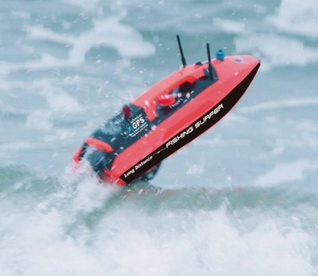
Jabo S80 Highspeed Bait Boat
Brushless-motor bait boat for ocean and freshwater. 22,000mAh battery, 400-500m GPS range, and a wat…
$1,250$1,299

Elevate your fishing game with GPS bait boats from Baitboats, Australia's leading provider of cutting-edge angling technology. Our GPS bait boats, designed for Aussie waters, offer pinpoint navigation and extended reach, perfect for surf, saltwater, and freshwater adventures. With built-in GPS systems, these fishing boats ensure accurate bait placement, targeting those hard-to-reach spots where big catches lurk. Ideal for serious anglers, our range includes models with durable builds and user-friendly interfaces. Whether you're chasing barramundi in northern rivers or snapper off the coast, a GPS fishing bait boat from Baitboats delivers unmatched precision.
Brushless-motor bait boat for ocean and freshwater. 22,000mAh battery, 400-500m GPS range, and a wat…
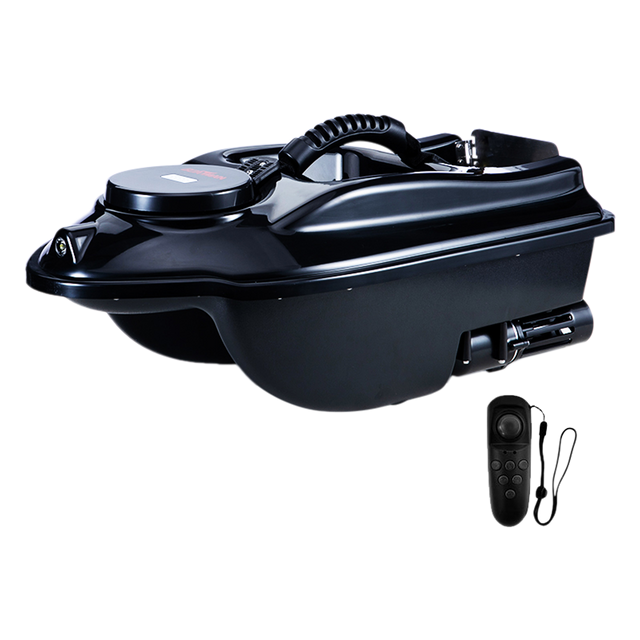
Up to 5 hours on the slow setting, dual hoppers, class 3 wave resistance. A solid workhorse for rive…
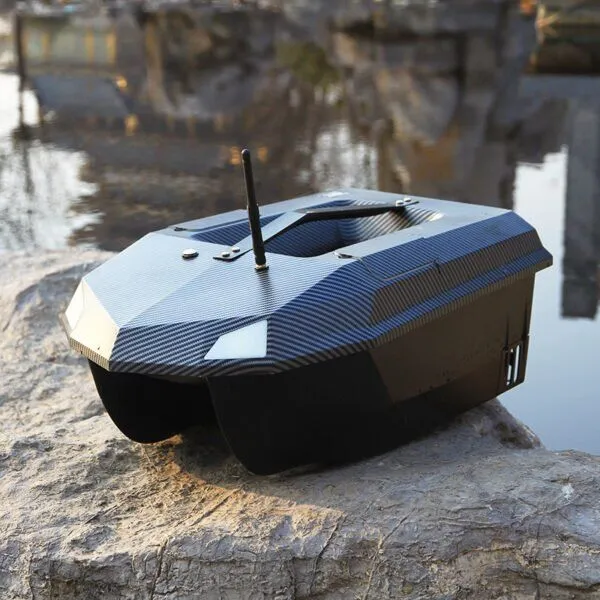
Manuowell's flagship. Middle-drop precision, twin 12V high-torque motors, 20+ GPS spot memory, a…
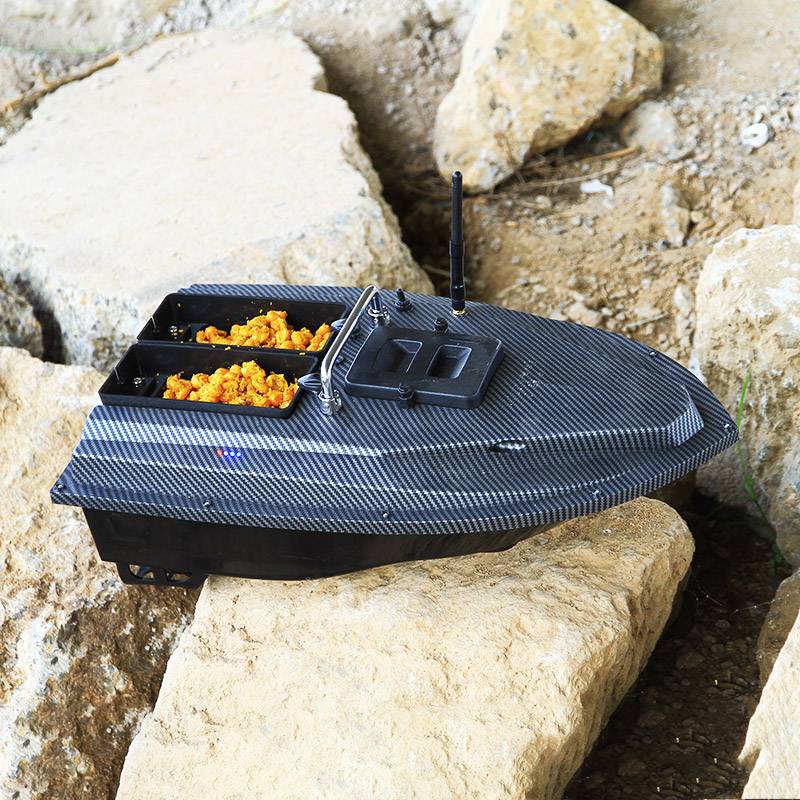
Dual rear hoppers, twin 7.4V Blade motors, GPS optional. Drop two baits in two locations on the same…
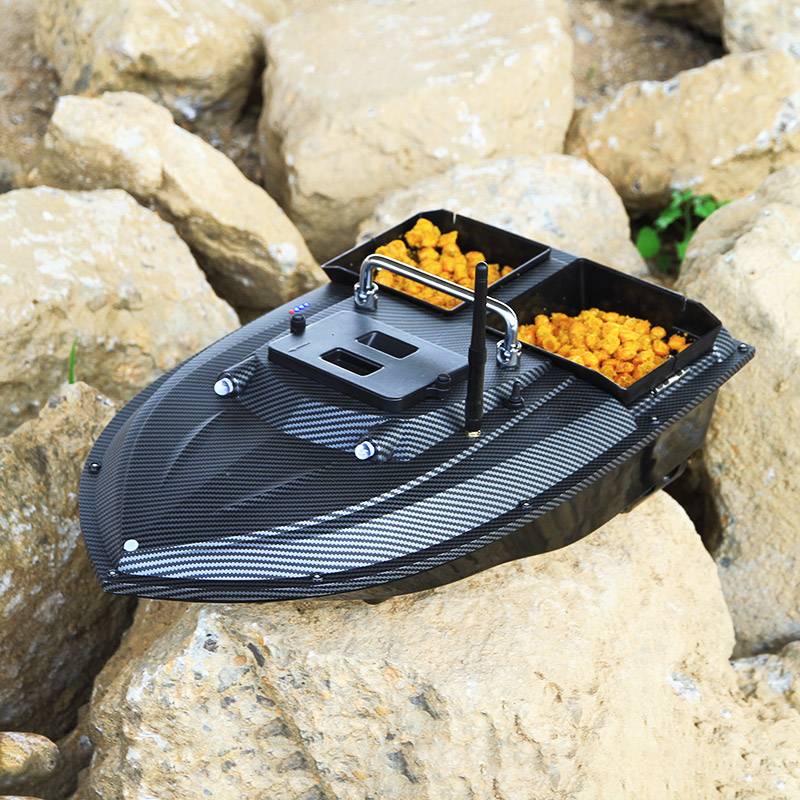
Dual side-opening hoppers cut hook tangles. The Classic hull's double-drop workhorse with twin 7…
Single hopper, twin 7.4V 10,000rpm motors, 500m range. Manuowell's value entry into the Classic …
Not all GPS bait boats are equal. The quality of the GPS implementation determines how accurate, reliable, and useful the navigation really is. These five features separate genuinely capable GPS boats from those that list GPS on the spec sheet but underdeliver on the water.
A single home-point return is useful but limited. Look for boats that store multiple fishing waypoints so you can rotate between pre-baited spots efficiently in one session without returning to shore between each mark.
How accurately the boat returns to the home point varies between models. Better GPS implementations land within 1 to 2 metres consistently, even after long runs. Ask specifically about return accuracy, not just whether the feature exists.
The real power of GPS comes when paired with a fish finder. You mark depth data and fish-holding structure at saved coordinates, turning your waypoint library into a detailed map of the lake or bay that improves with every session.
A boat with 500m GPS capability but 200m control range is limited by the radio. Ensure the radio range exceeds your practical GPS working distance. The two systems need to match, not just the headline GPS spec.
GPS performance varies between chipsets. Better models maintain a strong fix in partly shaded or canyon-walled environments like gorge reservoirs where signal can be intermittent. Cheaper chipsets drop lock in these conditions.
Importing RC bait boats from overseas leads to high shipping costs, complex warranty claims, and long waits when you need spare parts. Buying from an Australian supplier gives you:

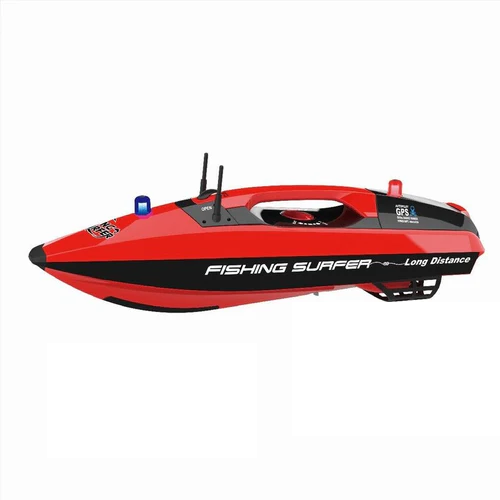
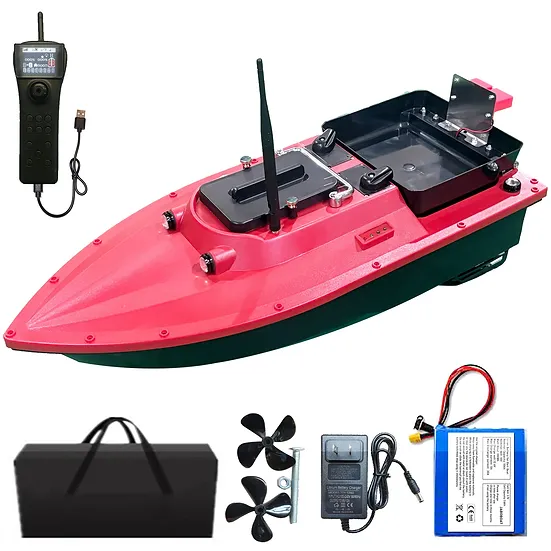
Everything the Fishing Surfer does, plus a colour Toslon fish finder so you see what's beneath the boat before you drop. $300 off while stocks last.
GPS accuracy depends on a correctly calibrated compass. The calibration process takes 30 seconds and is outlined in every Manuowell and Jabo manual. Recalibrate after any long vehicle transport, which can shift the compass reading through vibration.
Save productive waypoints even on sessions when the bite is slow. Bottom structure, current seams, and weed edges are consistent from visit to visit even when fish are not. Building a waypoint library improves every return trip.
Rather than randomly covering an unfamiliar lake or bay, set waypoints at regular intervals and cover the grid methodically. Fish finder data at each point tells you where the productive structure is. Systematic beats random every time.
Fog, glare, rain, and low light all compromise visual tracking of the boat. GPS auto-return brings the boat back reliably without you needing to see it. Triggering auto-return early in worsening conditions is far better than losing sight and guessing.
"Got it out past the second bank at Stockton and dropped a bait right on a mulloway I could never have reached by hand. Worth every cent."
"Sent a big shark bait 400m off the beach at Mandurah on my first session. Had a bronze whaler on within the hour. Could never have done that with a rod."
"Had a cheap one pack it in after a season. The Joysway is a completely different animal. Been using it for snapper and flathead out in the bay. These blokes know fishing."
Standard GPS chipsets used in bait boats are accurate to within 2 to 5 metres under clear sky. Better models with higher-quality chipsets tighten this further. For practical bait fishing, 2 to 3 metre accuracy is precise enough to hit most structures reliably on return visits.
Not strictly required, but it transforms what you can do. Without GPS you rely on landmarks and line-of-sight estimation. With GPS you can mark productive spots, pre-bait them precisely, and return to the same coordinates on every visit regardless of how featureless the water looks.
Auto-return works even when you cannot see the boat. Glare, fog, or distance can make visual retrieval difficult or impossible. Auto-return means you activate a single function and the boat navigates home regardless of visibility conditions.
Yes on all GPS-equipped models we stock. Waypoints are stored in the boat's memory and persist between power cycles. You can build a library of productive spots that improves with every fishing trip, and access all saved marks on your next session.
The GPS functions take an extra 20 to 30 minutes to learn compared to basic RC operation. Setting a home point, saving waypoints, and activating auto-return are all single-button operations once you have read the manual through once. Most anglers are comfortable with all GPS functions within their first full session.
Still have a question? Send us an enquiry →