Joysway Australia
Fishing Surfer RC Boat
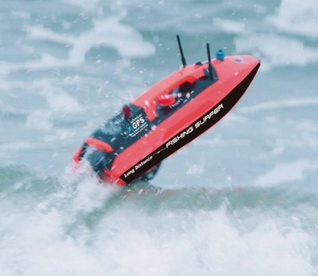
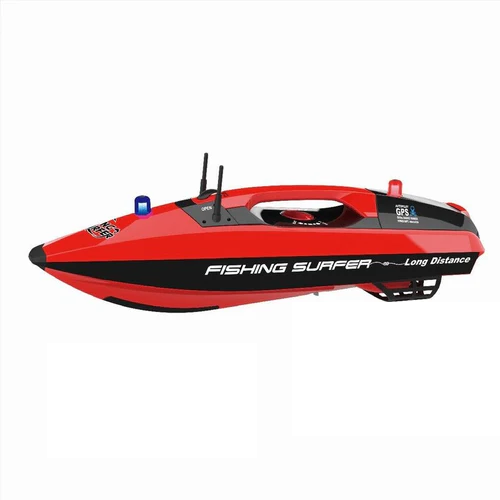
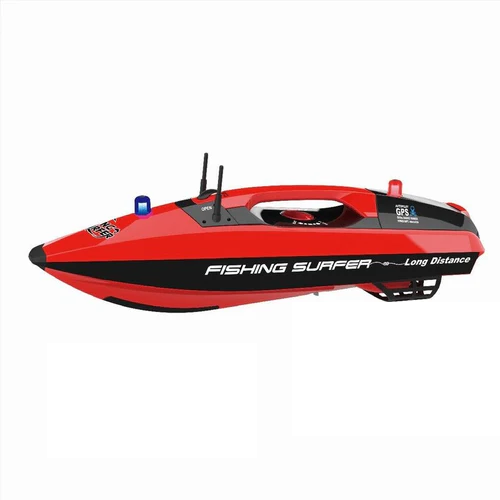
Joysway Fishing Surfer FP3251 V2 puts bait where the fish are, reaching up to 500 metres offshore. G…
From$1,399

Salt water bait boats are built tough for coastal and ocean use, perfect for anglers targeting powerful game fish from bays and beaches. These durable saltwater remote control boats combine corrosion resistance, long battery life, and wave-handling capability for unbeatable performance. With an RC boat salt water design, you get a reliable and efficient remote control boat for salt water fishing. It withstands tough marine environments while improving your catch accuracy and range on every trip.
Joysway Fishing Surfer FP3251 V2 puts bait where the fish are, reaching up to 500 metres offshore. G…
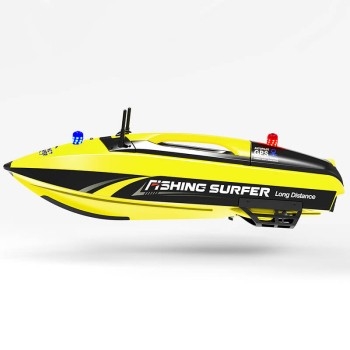
Everything the Fishing Surfer does, plus a Toslon TF520 colour fish finder so you can see what's…
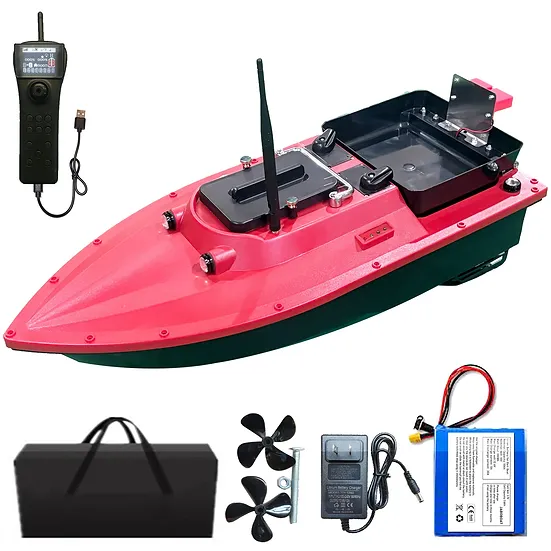
Brushless-motor bait boat for ocean and freshwater. 22,000mAh battery, 400-500m GPS range, and a wat…
Saltwater is the harshest environment a bait boat will face. What works flawlessly on a lake can fail within a season when exposed to saltwater, spray, and corrosion. These are the five things that separate a genuine saltwater boat from one that just looks the part.
Every exposed metal component must be rated for saltwater. Look for stainless steel fixings, sealed motor bearings, and anodised aluminium props as minimum standards. Cheap plated steel corrodes within a season in coastal conditions.
Saltwater intrusion destroys circuit boards quickly. True saltwater-ready models use gasketed lids, waterproof connectors, and silicone-sealed seams throughout. Friction-fit hatches are not enough for regular marine use.
Bay and estuarine fishing often requires reaching structure 200 to 400 metres offshore. A 500m-rated control system gives you a meaningful working buffer above your actual drop distance.
Reef marks and current-swept channels need to be saved and returned to accurately. GPS waypoints turn productive spots into repeatable results rather than relying on memory or landmarks that look identical across a flat bay.
Tidal flow and offshore wind create real resistance. A boat that handles flat water may struggle when current and wind combine against it. Look for twin brushless motors with confirmed saltwater ratings on the bearings.
Importing RC bait boats from overseas leads to high shipping costs, complex warranty claims, and long waits when you need spare parts. Buying from an Australian supplier gives you:

Everything the Fishing Surfer does, plus a colour Toslon fish finder so you see what's beneath the boat before you drop. $300 off while stocks last.
Saltwater starts corroding exposed metal within hours. A two-minute fresh water rinse immediately after use is far better than a thorough clean the following day. Pay special attention to the motor area, props, and any exposed hardware.
Use GPS to save reef edges, rock ledge positions, and current seams. Returning to exactly the right spot on your next session is only possible with saved waypoints. Line-of-sight guesswork from the bank misses by metres in water that looks featureless from shore.
Saltwater fish are heavily driven by tide movement. Dropping bait on an incoming tide near structure consistently outperforms fishing at random hours. GPS-saved marks combined with tide timing gives you a systematic approach rather than luck.
Saltwater accelerates prop wear and corrosion faster than freshwater. A quick pre-session inspection for nicks, corrosion pitting, and shaft play takes two minutes. A damaged prop in the water means a wasted deployment and potential motor damage.
"Got it out past the second bank at Stockton and dropped a bait right on a mulloway I could never have reached by hand. Worth every cent."
"Sent a big shark bait 400m off the beach at Mandurah on my first session. Had a bronze whaler on within the hour. Could never have done that with a rod."
"Had a cheap one pack it in after a season. The Joysway is a completely different animal. Been using it for snapper and flathead out in the bay. These blokes know fishing."
Three things matter most. The hull must have fully sealed electronics with gasket-protected lids. Hardware must be stainless or corrosion-resistant alloy. Motors should have water-cooled or sealed bearings. A boat rated only for freshwater will corrode within a season in saltwater.
Yes. Every boat we stock handles both environments. Freshwater is kinder to the electronics and hardware, so a saltwater-rated model works fine in rivers, dams, and lakes. No modification is needed when switching between environments.
As soon as you get home. Saltwater left on the hull, motors, and hardware for hours accelerates corrosion noticeably. A two-minute fresh water rinse immediately after use makes a significant difference to long-term component life.
Depends on the model. Standard RC bait boats reach 200 to 300 metres. GPS-equipped models with 500m-rated controls let you work productive offshore structure that most shore-based anglers cannot reach by any other method.
Not strictly required, but it fundamentally changes what you can do. Without GPS you are limited by visual contact and memory. With GPS you can save productive marks and return to them accurately, even on days when the water looks completely featureless.
Still have a question? Send us an enquiry →